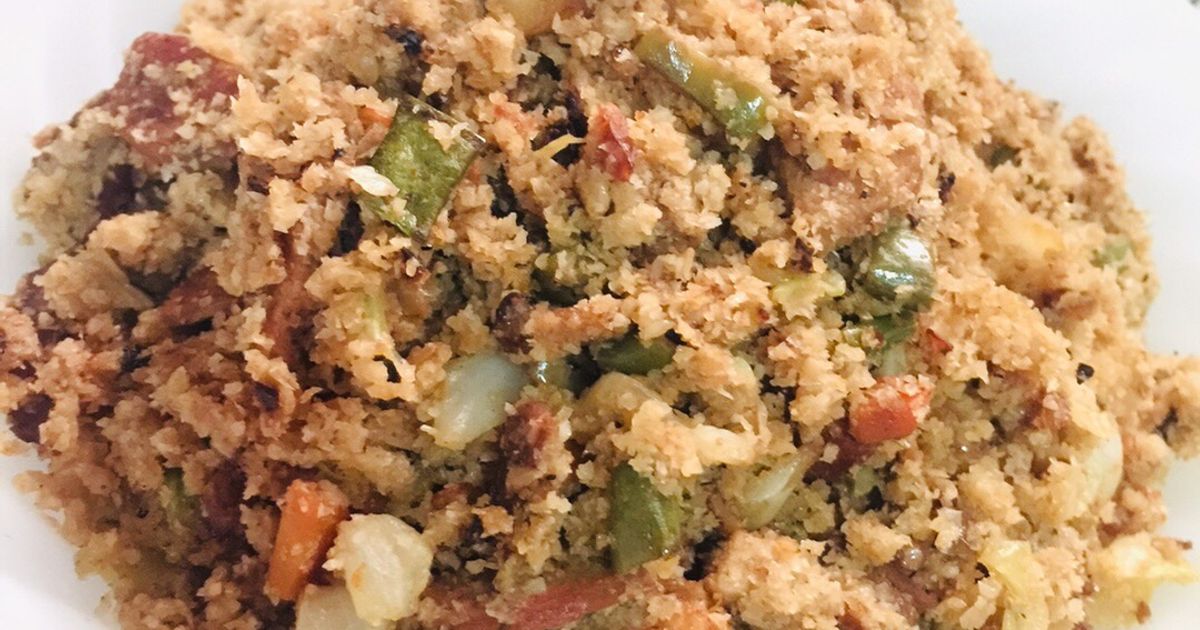
Korean Fried Cauliflower
Printed from nanasfogon.com/recipe/korean-fried-cauliflower · Original: https://thewoksoflife.com/korean-fried-cauliflower/
- Prep
- 20 min
- Cook
- 60 min
- Total
- 1 hr 20 min
Ingredients
- 2 pounds cauliflower (about 1 large head)
- canola or peanut oil (for frying) About neutral oil →
- 1/2 cup potato starch About potato starch →
- 10 tablespoons cake flour About cake flour →
- 1 1/2 teaspoons baking soda About baking soda →
- 1/2 teaspoon salt About table salt →
- 1/8 teaspoon white pepper About white pepper →
- 3/4 cup water
- 1 teaspoon sesame oil About toasted sesame oil →
- 2 tablespoons oil (such as canola, peanut, or vegetable oil) About neutral oil →
- 1 small shallot (finely minced) About shallot →
- 7 cloves garlic (minced) About garlic →
- 3 dried red chili peppers (optional) Hot (15,000–100,000 SHU). Swap: ½ tsp red pepper flakes per 2 small chiles
- 3 tablespoons soy sauce About soy sauce →
- 2 tablespoons water
- 2/3 cup mirin About mirin →
- 1 1/2 tablespoons rice vinegar About rice vinegar →
- 2 tablespoons light brown sugar About brown sugar →
- 1 tablespoon gochujang Medium (1,000–10,000 SHU). Swap: Sriracha or another chili sauce plus a little miso and honey
- 1 tablespoon Dijon mustard About dijon mustard →
Out of something?
- Potato starch
- for 1 tbsp, use 1 tbsp cornstarch or arrowroot. Fine year-round. On Passover, cornstarch is kitniyot for Ashkenazim.
- Cake flour
- for 1 cup, use 1 cup all-purpose flour minus 2 tbsp, plus 2 tbsp cornstarch, sifted together twice. Close for most layer cakes. Not quite as fine or as white as bleached cake flour.
- Baking soda
- for 1 tsp, use 3 tsp baking powder. Last resort. The batter's acid is left unneutralized, so results are tangier, paler and less browned, and can taste of powder. It can't be done the other way without adding acid.
- Shallot
- for 1 medium (2 tbsp minced), use 2 tbsp minced red onion, or the white parts of 2 scallions + a tiny bit of garlic. Red onion is sharper; rinse it if using raw.
- Garlic
- for 1 clove, use 1/8 tsp garlic powder, or 1/2 tsp jarred minced garlic. Powder is mellow and toasty, not pungent; fine in rubs and soups, poor in aioli or garlic bread.
- Soy sauce
- Gluten-free: for 1 tbsp, use 1 tbsp tamari (check the label for wheat-free) or coconut aminos. Tamari is a bit richer; coconut aminos are sweeter and much less salty.
- Mirin
- for 1 tbsp, use 1 tbsp sake or dry sherry + 1/2 tsp sugar; alcohol-free: 1 tbsp rice vinegar + 1/2 tsp sugar. The vinegar version is sharper; add a little extra sugar for glazes.
- Rice vinegar
- for 1 tbsp, use 1 tbsp apple cider or white wine vinegar + pinch of sugar. Rice vinegar is milder; you can also dilute with a little water.
Steps
-
1
Make the batter:
-
2
Wash and cut your cauliflower into very large florets, about the size of your palm. Shake off any excess moisture.
-
3
Whisk together the potato starch, cake flour, baking soda, salt, and white pepper. Add the water and sesame oil, and whisk to combine.
-
4
Batter and first fry:
-
5
Heat 4-5 cups of oil in a deep pot to 325°F/163°C. The oil should ideally fill the pot about halfway, so hot oil won’t overflow or splatter too much while frying.
-
6
Dip the cauliflower into the batter a few pieces at a time, turning to coat thoroughly. Drop the battered pieces into the frying oil, 3-4 at a time as your pot allows.
-
7
Fry the cauliflower in batches until they’re golden brown and the batter is thoroughly set, about 2-3 minutes. If they brown too quickly, reduce the heat.
-
8
Drain on a cooling rack placed over a sheet pan, and between batches, remove any particles left in the oil using a strainer. As the cauliflower sits, it will release steam that will later help the cauliflower get crispy during its second trip through the frying oil.
-
9
Make the glaze:
-
10
In a saucepan over medium low heat, add 2 tablespoons vegetable oil, along with the shallot, garlic, and dried chili peppers (if using, for optional spice). Cook for 3-4 minutes, stirring occasionally, or until the shallots are translucent. If using the dried chili peppers, you can deseed them and chop them, or simply chop and include the seeds for an extra spicy kick. If you’d like to keep your sauce more mild, omit them entirely.
-
11
Next, add the soy sauce, water, mirin, rice vinegar, light brown sugar, gochujang, and dijon mustard. Stir and bring the sauce to a simmer, stirring constantly (4-5 minutes). When the sauce has come to a simmer, remove from the heat, cover, and set aside to keep warm.
-
12
Final fry & toss in sauce:
-
13
For the second and final fry, bring the oil temperature again to 325°F/163°C. Fry the cauliflower in batches for another 1-2 minutes, until crunchy and golden. Drain on a cooling rack.
-
14
Once you’ve fried all the cauliflower for the second time, add it to a large bowl, and pour the sauce over the top. Toss until the pieces are well-coated, and serve.
Flavor map
How Nana pairs flavors →This one is spicy, garlicky and sweet.
Goes well with
 Goes with
Korean Glass Noodle Vegetable Stir Fry
85% flavor match
The brown sugar takes the edge off the gochujang; rice vinegar and sesame oil are a classic pair.
 Goes with
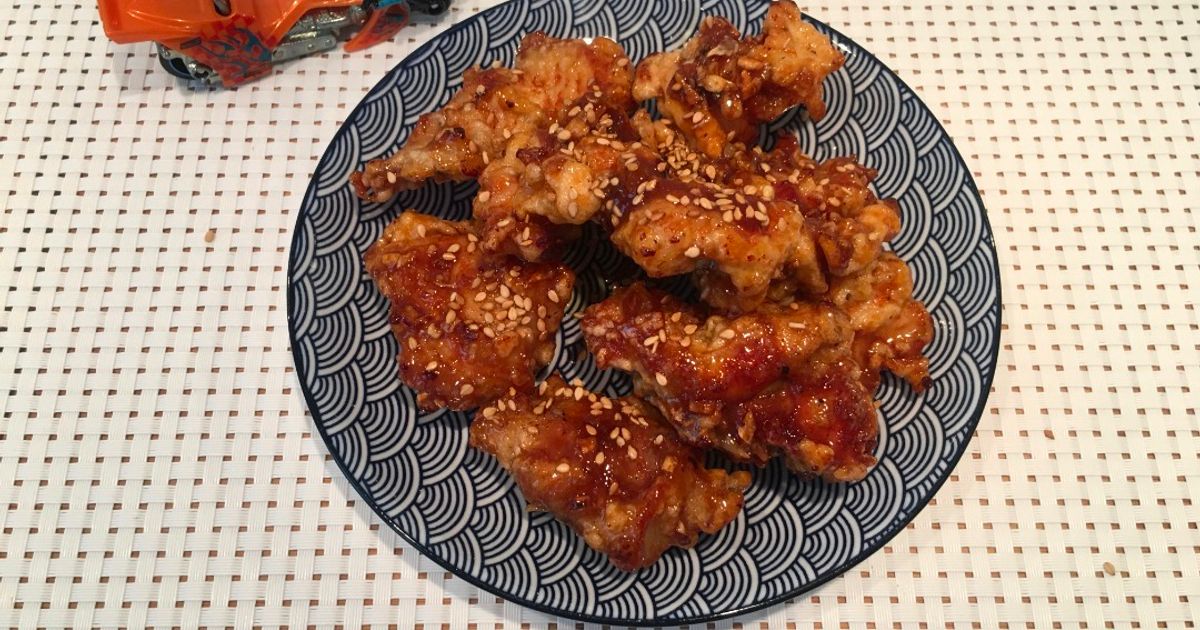
Korean Honey Butter Chicken - 허니 버터 치킨
84% flavor match
Sesame oil and soy sauce are a classic pair; both lean on potato starch and brown sugar.
 Goes with
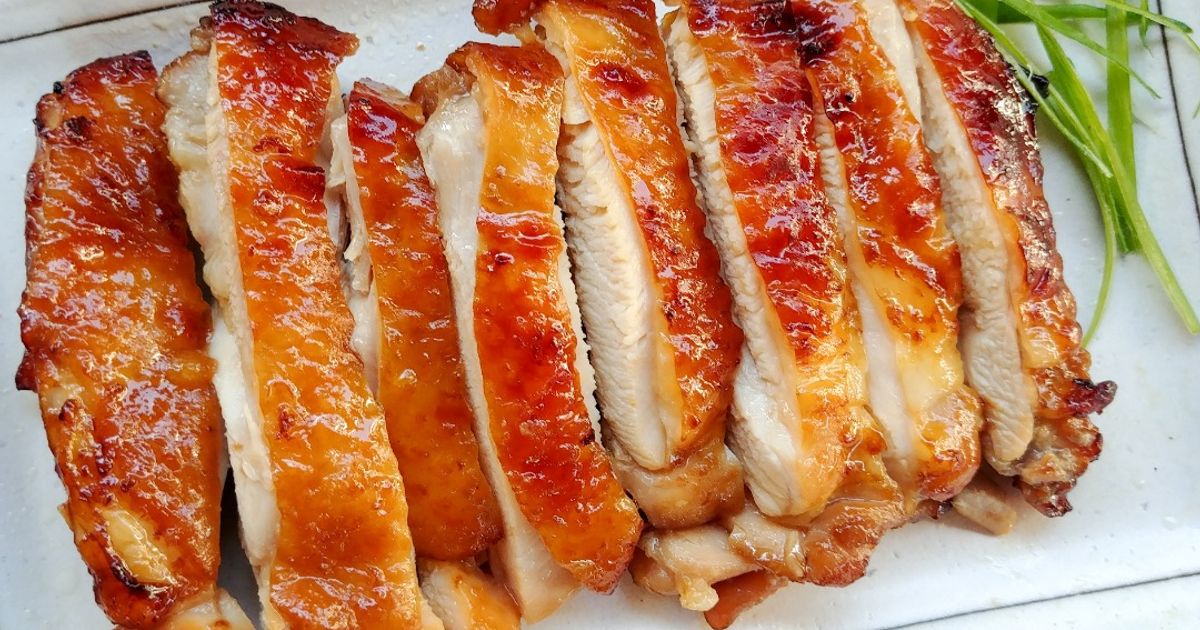
Teriyaki Chicken
84% flavor match
They share mirin and sesame oil; the brown sugar takes the edge off the gochujang.
 Also on the table
Instant Pot Kimchi Beef Stew (Kimchi Jjigae)
85% flavor match
Both are savory and spicy; kimchi loves gochujang.
Log in to tell Nana which pairings are good. Your votes improve the map.
More about this recipe
Nutrition
1 of 6 servings · about 249 g Whole recipe · about 1497 g · High confidence
| % DV* | ||
|---|---|---|
| Total Fat | 6.8 g | 9% |
| Saturated Fat | 1.1 g | 6% |
| Trans Fat | 0.024 g | |
| Cholesterol | 0 mg | 0% |
| Sodium | 1106 mg | 48% |
| Total Carbohydrate | 41.8 g | 15% |
| Dietary Fiber | 6.4 g | 23% |
| Total Sugars | 7.5 g | |
| Protein | 7.3 g | 15% |
| Vitamin D | 0 mcg | 0% |
| Calcium | 67 mg | 5% |
| Iron | 3.2 mg | 18% |
| Potassium | 899 mg | 19% |
* % Daily Value is based on a 2,000-calorie diet.
- Carbs 65%
- Fat 24%
- Protein 11%
Vitamins & minerals
| Vitamin A | 91.2 mcg | 10% |
|---|---|---|
| Vitamin C | 75.9 mg | 84% |
| Vitamin D | 0 mcg | 0% |
| Vitamin E | 0.71 mg | 5% |
| Vitamin K | 32.5 mcg | 27% |
| Thiamin (B1) | 0.27 mg | 22% |
| Riboflavin (B2) | 0.38 mg | 29% |
| Niacin (B3) | 3 mg | 19% |
| Pantothenic acid (B5) | 1.4 mg | 28% |
| Vitamin B6 | 0.78 mg | 46% |
| Folate | 139 mcg DFE | 35% |
| Vitamin B12 | 0 mcg | 0% |
| Choline | 77 mg | 14% |
| Calcium | 67 mg | 5% |
| Iron | 3.2 mg | 18% |
| Potassium | 899 mg | 19% |
| Magnesium | 55 mg | 13% |
| Phosphorus | 146 mg | 12% |
| Zinc | 0.85 mg | 8% |
| Copper | 0.18 mg | 19% |
| Manganese | 0.66 mg | 29% |
| Selenium | 3.9 mcg | 7% |
Fats & carbs in detail
| Monounsaturated fat | 1.5 g | |
|---|---|---|
| Polyunsaturated fat | 3.5 g | |
| Omega-3 | 0.37 g | 23% |
| Omega-6 | 3.1 g | 18% |
| Starch | 0.017 g | |
| Net carbs | 35.4 g | |
| Omega-6 : Omega-3 ratio | 8.4 : 1 |
Amino acids (protein building blocks)
| Histidine | 0.17 g | |
|---|---|---|
| Isoleucine | 0.27 g | |
| Leucine | 0.42 g | |
| Lysine | 0.52 g | |
| Methionine | 0.09 g | |
| Cystine | 0.097 g | |
| Phenylalanine | 0.27 g | |
| Tyrosine | 0.19 g | |
| Threonine | 0.26 g | |
| Tryptophan | 0.087 g | |
| Valine | 0.38 g |
How we calculated this
| Ingredient | Counted as | g | kcal |
|---|---|---|---|
| 2 pounds cauliflower (about 1 large head) | Cauliflower, raw | 907 | 227 |
| canola or peanut oil (for frying) | Not counted — no amount (to taste / garnish) | ||
| 1/2 cup potato starch | Potato flour | 80 | 286 |
| 10 tablespoons cake flour | Wheat flour, white, cake, enriched | 86 | 310 |
| 1 1/2 teaspoons baking soda | Leavening agents, baking soda | 7 | 0 |
| 1/2 teaspoon salt | Salt, table | 3 | 0 |
| 1/8 teaspoon white pepper | Spices, pepper, black | 0 | 1 |
| 3/4 cup water | Water | 0 | |
| 1 teaspoon sesame oil | Oil, sesame, salad or cooking | 4 | 40 |
| 2 tablespoons oil (such as canola, peanut, or vegetable oil) | Oil, soybean, salad or cooking | 27 | 241 |
| 1 small shallot (finely minced) | Shallots, raw | 30 | 22 |
| 7 cloves garlic (minced) | Garlic, raw | 21 | 31 |
| 3 dried red chili peppers (optional) | Peppers, ancho, dried | 51 | 143 |
| 3 tablespoons soy sauce | Soy sauce made from soy and wheat (shoyu) | 48 | 25 |
| 2 tablespoons water | Water | 0 | |
| 2/3 cup mirin | Alcoholic beverage, rice (sake) | 155 | 208 |
| 1 1/2 tablespoons rice vinegar | Vinegar, cider | 22 | 5 |
| 2 tablespoons light brown sugar | Sugars, brown | 19 | 73 |
| 1 tablespoon gochujang | Sauce, hot chile, sriracha | 20 | 18 |
| 1 tablespoon Dijon mustard | Mustard, prepared, yellow | 16 | 9 |
Matched to the USDA FoodData Central database (SR Legacy). Amounts are converted with USDA portion weights where they exist, otherwise typical sizes. Open in the analyzer to adjust a match →
Estimated from the ingredient list — brands, exact sizes and cooking losses vary. Not medical advice.
Allergens
-
Alcohol
In: 2/3 cup mirin
Not a true allergy, but listed for people who must avoid it.
-
Black & white pepper
In: 1/8 teaspoon white pepper
-
Nightshades › Hot chili peppers
In: 3 dried red chili peppers (optional)
Tomato, potato, peppers (sweet and hot), eggplant, tomatillo and goji. Sweet potatoes are not nightshades.
-
Onion & garlic family › Garlic
In: 7 cloves garlic (minced)
Onions, shallots, garlic, leeks, scallions and chives, including powders.
-
Mustard
In: 1 tablespoon Dijon mustard
Mustard seeds, powder, prepared mustard and mustard greens.
-
Onion & garlic family › Onion & shallot
In: 1 small shallot (finely minced)
Onions, shallots, garlic, leeks, scallions and chives, including powders.
-
Peanut
In: canola or peanut oil (for frying); 2 tablespoons oil (such as canola, peanut, or vegetable oil)
Peanuts are legumes, not tree nuts. Satay sauce and many "mixed nuts" contain them.
-
Nightshades › Potato
In: 1/2 cup potato starch
Tomato, potato, peppers (sweet and hot), eggplant, tomatillo and goji. Sweet potatoes are not nightshades.
-
Rice
In: 1 1/2 tablespoons rice vinegar
-
Sesame
In: 1 teaspoon sesame oil
Sesame seeds and oil, tahini, halva; za'atar and furikake usually contain sesame.
-
Soy › Miso & fermented soybean pastes
In: 1 tablespoon gochujang
Fermented pastes: miso, doenjang, gochujang, hoisin, black bean sauce.
-
Soy › Soy sauce & tamari (brewed)
In: 3 tablespoons soy sauce
Fermented soy sauces. Much of the protein is broken down in brewing.
-
Gluten › Wheat
In: 10 tablespoons cake flour; 3 tablespoons soy sauce
Wheat, barley, rye and oats (oats are often cross-contaminated). Celiac disease and wheat allergy are different — pick just Wheat if only wheat is the problem.
Found by reading the ingredient names. Brands and "may contain" warnings vary, so always check the label.
Questions about this recipe
- Can I make this ahead of time?
- You can prepare the glaze and the first fry of the cauliflower in advance, but the final fry and tossing in sauce should happen right before serving to keep the cauliflower crispy.
- How do I store or freeze leftovers?
- Store leftovers in an airtight container in the fridge for up to 3 days; freezing is not recommended as the batter will lose its texture.
- What can I use if I don't have cake flour or potato starch?
- You can substitute both with cornstarch for a similar crunch, though the texture may be slightly different.
- How do I tell when the cauliflower is properly cooked?
- The cauliflower is done when the batter is golden brown and crunchy after the second fry, and the center is tender but not mushy.
- What should I serve with this dish?
- This pairs well with steamed white rice, a side of kimchi, or a fresh cucumber salad to balance the richness of the fried cauliflower.
My notes
Log in to keep private notes on recipes.
Learn while you cook
Learn library →- Why It Works · 4 min read Baking Soda vs. Baking Powder Baking soda is a base that needs an acid in the recipe to work; baking powder is soda with its acid already mixed in — …
- Why It Works · 4 min read Browning: Maillard vs. Caramelization Browning is two different reactions — Maillard (proteins plus sugars, from about 280°F) and caramelization (sugar alone…
- Ingredient Deep-Dives · 7 min read Flour: Which Bag for Which Bake Protein decides everything. More protein means more gluten and chew (bread), less means tender (cake); all-purpose sits…
Words in this recipe
- Reduce
- To simmer a liquid so water evaporates, concentrating flavor and thickening it. Learn more
- Simmer
- Liquid just below a boil, about 185 to 205°F, with small bubbles rising gently.
Handy for this recipe Measurements & ConversionsSubstitution Finder