Umeboshi
Also called Japanese pickled plum, ume
- What it is
- Japanese ume fruit (a sour relative of the apricot) salted, dried and pickled, often colored red with shiso leaves.
- Tastes like
- Intensely sour and salty, with a fruity, floral aroma. One small plum flavors a whole bowl of rice.
- Use it for
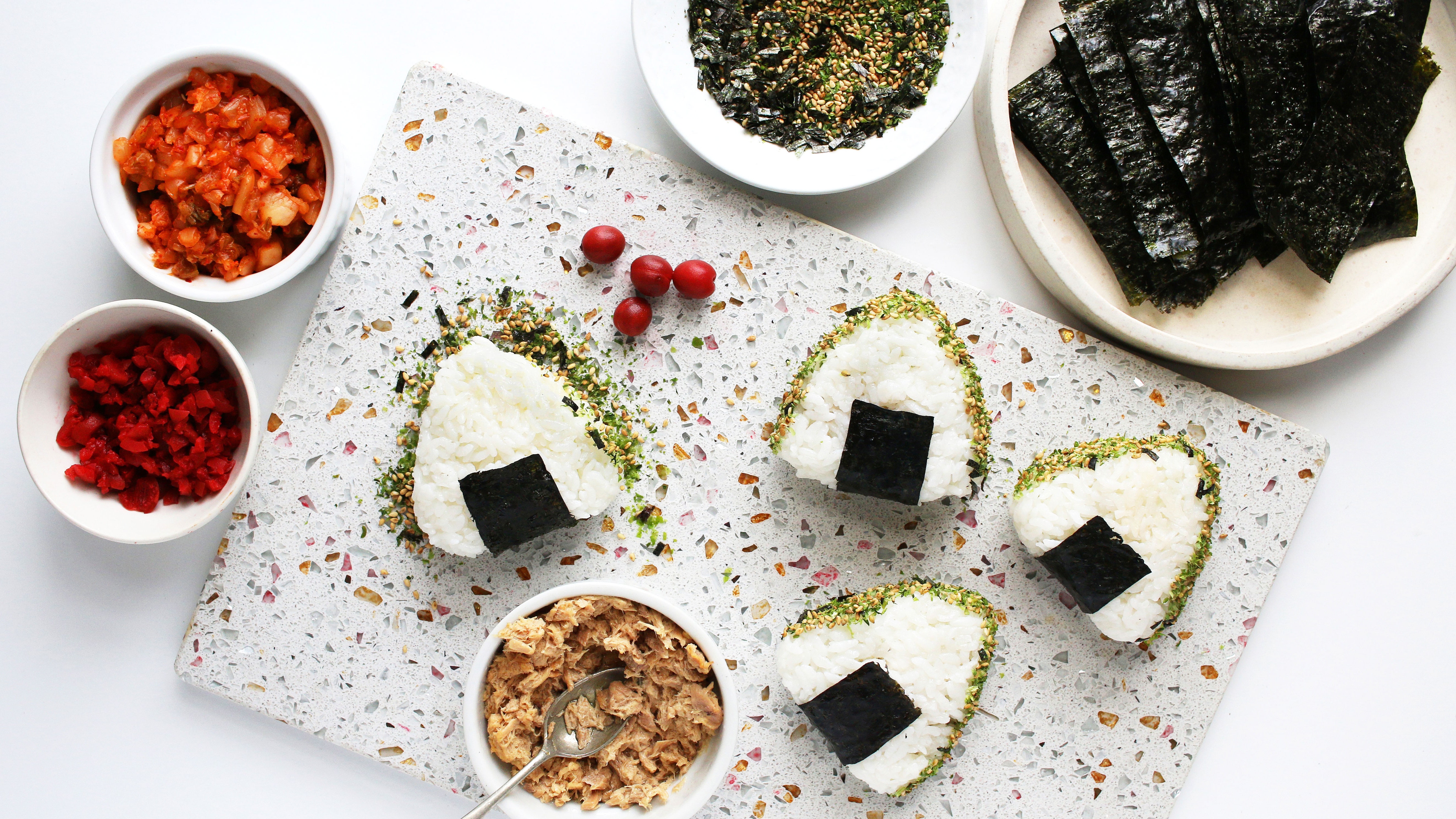
- Onigiri filling, rice porridge, dressings, a dab on cucumber or noodles, and ume-shiso chicken rolls.
The kinds you'll see
- Whole umeboshi — Soft and wrinkled; remove the pit.
- Umeboshi paste (bainiku) — Pitted and pureed. Easy for dressings.
- Ume plum vinegar (umezu) — The salty-sour brine. Great in dressings and pickles.
Out of it? Swap in
- For 1 umeboshi, 1 tsp lemon juice, a pinch of salt and a little finely chopped dried apricotSour, salty and fruity; missing the floral funk.
- Tart plum jam with a squeeze of lemon and a pinch of saltSweeter. Works in dressings and on rice.
Diet & allergens
Plum & prune
StoreFridge once opened, in their jar.
KeepsA year or more; the salt preserves them.
Toss whenThere's fuzzy mold or they smell off. White salt crystals are normal.
BuyingJapanese markets and natural-food stores. Traditional plums list just ume, salt and shiso; low-salt ones add sweeteners and need refrigeration.
Nana's tip: Start with half a plum. Chop it fine with a knife so the flavor spreads instead of landing in one sour bite.