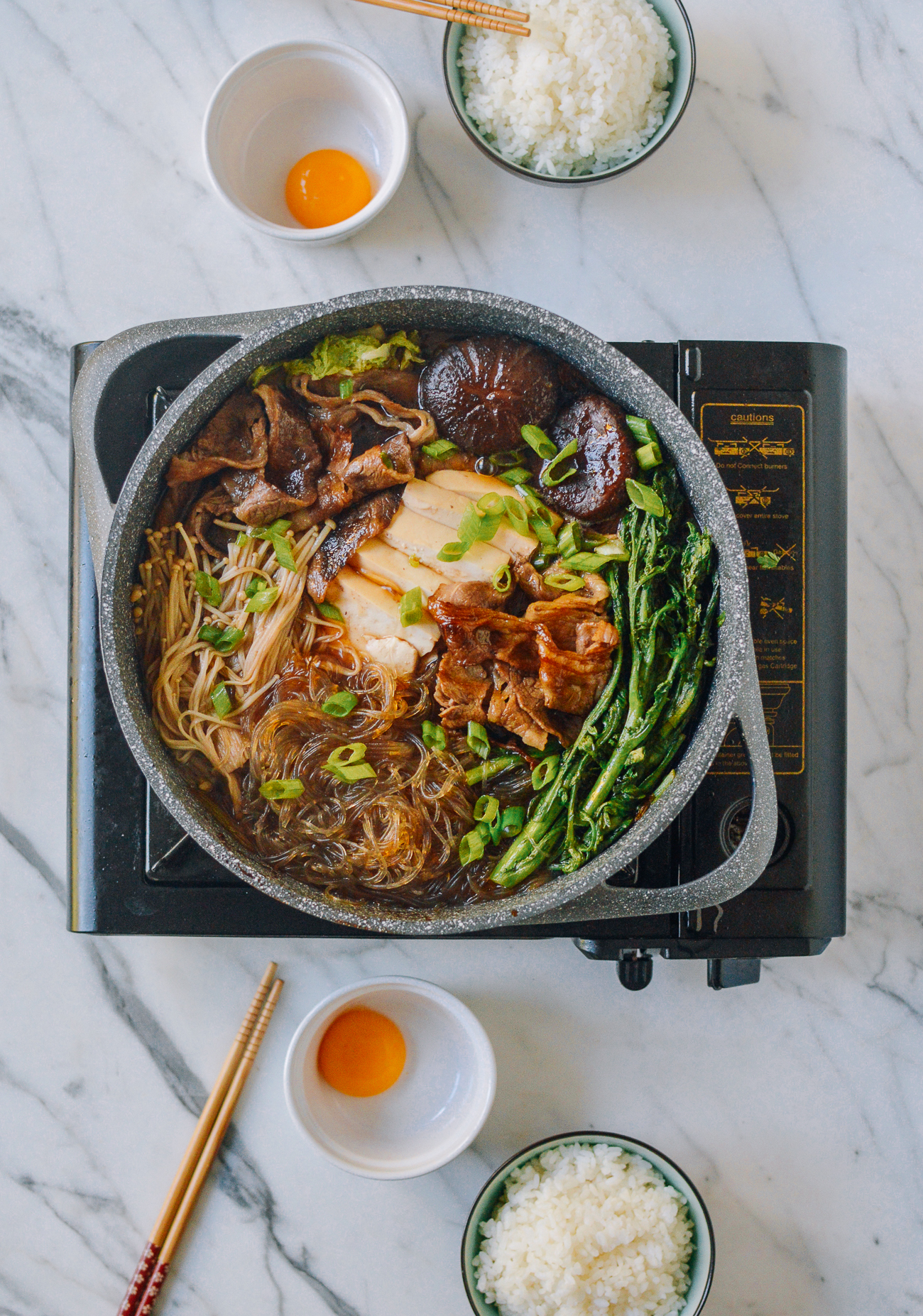
Dashi
Also called Japanese soup stock, hondashi
- What it is
- The basic Japanese stock, most often kombu seaweed and katsuobushi (bonito flakes) steeped in hot water for a few minutes.
- Tastes like
- Light, clean and deeply savory, with a soft smoky-ocean aroma. Never heavy or fatty.
- Use it for
- Miso soup, udon and soba broths, chawanmushi, tamagoyaki, simmered vegetables, and okonomiyaki batter.
The kinds you'll see
- Awase dashi — Kombu and bonito. The standard all-purpose dashi.
- Kombu dashi — Kombu alone, or with dried shiitake. Fully vegan and parve.
- Instant dashi granules (hondashi) and dashi packets — Dissolve or steep in water. Convenient; granules often contain MSG and lactose.
Out of it? Swap in
- Low-sodium vegetable or chicken broth cut half with water, with 2 or 3 dried shiitake soaked in itSavory and light, but tastes more like Western stock and has no sea flavor.
- Water simmered gently for 5 minutes with a torn sheet of nori and a splash of soy sauceGets the ocean note in a pinch. Thinner and less rounded.
Diet & allergens
Fish Tuna
StoreHomemade in the fridge. Granules and packets in a sealed container in the pantry.
KeepsHomemade, 3 to 4 days in the fridge or 3 months frozen. Granules, about a year.
Toss whenHomemade dashi smells sour or fishy-sharp instead of clean and smoky.
BuyingJapanese markets carry dashi packets (like tea bags) that taste close to homemade. Granules are the cheapest and easiest to find.
Nana's tip: For 4 cups, soak a 4-inch piece of kombu in 4 cups water for 30 minutes, heat to just below a simmer, remove the kombu, add a big handful (about 20 g) of bonito flakes, steep 3 minutes, and strain. Don't boil or squeeze, or it turns bitter.