

Maple Pork Shank With Buttered Cabbage
Printed from nanasfogon.com/recipe/maple-pork-shank-buttered-cabbage · Original: https://www.saveur.com/recipes/maple-pork-shank-buttered-cabbage/
- Total
- About 6 hr 35 min
Ingredients
Dairy-free version. Swapped:
unsalted butter → dairy-free plant butter (pareve)
Good for vegan, lactose-free and kosher meat meals. Check labels: some plant butters and creamers aren't certified parve or contain nuts or coconut.
- For the pork shank
- One 1–1½-lb. pork shank
- 2 Tbsp. olive oil About extra-virgin olive oil →
- 3 garlic cloves, finely chopped About garlic →
- 2 fresh thyme sprigs About thyme →
- 2 fresh bay leaves About bay leaves →
- 1 large carrot, peeled and thinly sliced
- 1 medium white onion, finely chopped About yellow onion →
- ¼ cup maple whiskey or regular whiskey About whiskey →
- 1 cup dry white wine
- 1 quart pork or chicken stock About stock & broth →
- ½ cup maple syrup About maple syrup →
- Kosher salt and freshly ground black pepper About kosher salt →
- For the buttered cabbage
- Kosher salt and freshly ground black pepper About kosher salt →
- 1 medium green cabbage, thinly sliced
- 5 oz. thick-cut bacon, cut into 1- by ½-in. pieces
- 8 Tbsp. unsalted butter, divided About unsalted butter →
- 1 Tbsp. olive oil About extra-virgin olive oil →
- 3 garlic cloves, thinly sliced About garlic →
- 2 fresh bay leaves About bay leaves →
- 1 large carrot, peeled and thinly sliced
- 1 medium white onion, finely chopped About yellow onion →
- 1 cup dry white wine
- 1¼ cups vegetable stock About stock & broth →
- Step 1 Make the pork shank: Position a rack in the center of the oven and preheat to 350°F. Using a sharp knife, score the pork shank all over in a crosshatch pattern, cutting through the skin but not through the meat and spacing the cuts about ½ inch apart. Step 2 To a large ovenproof skillet over medium-high heat, add the oil. When it’s hot and shimmering, add the shank and cook on all sides until browned and crispy, 12–14 minutes. Add the garlic, thyme, bay leaves, carrot, and onion and cook, stirring occasionally, until the onion is translucent and the vegetables are softened but not yet browned, 5–7 minutes. Add the whiskey, then carefully light with a long match or stick lighter to flambé, gently shaking until the flames subside. Add the wine and simmer until the liquid has reduced by half, 3–5 minutes. Add the pork stock and maple syrup, season lightly with salt and black pepper, and bring to a boil. Step 3 Bake, turning the shank every 30–40 minutes, until the pork is glazed and glossy and the meat breaks apart easily when pierced with a fork, about 3 hours. Step 4 Meanwhile, make the buttered cabbage: Bring a large pot of generously salted water to a boil, add the cabbage, and cook until just wilted, 2–3 minutes. Drain and set aside. Step 5 To a large skillet over medium-high heat, add the bacon and cook, stirring frequently, until browned and crispy, 6–8 minutes. Transfer to a strainer set over a small bowl (reserve bacon fat for another use). Step 6 Return the skillet to medium heat and add 4 tablespoons of the butter and the oil. When the butter has melted, add the garlic, bay leaves, carrot, and onion, season with salt and black pepper, and cook, stirring frequently, until the onion is translucent and tender, 8–10 minutes. Stir in the cabbage and continue cooking 2 minutes more. Return the bacon to the skillet, add the wine, bring to a simmer, and cook until the liquid has reduced by three-quarters, 5–7 minutes. Add the vegetable stock and bring to a boil. Cover and cook until the cabbage is tender, 25–30 minutes. Remove from the heat, then stir in the remaining butter, cover, and set aside to rest for 10 minutes. Step 7 Scoop the cabbage onto a wide platter, then nestle the shank on top. Drizzle over some of the braising juices and serve hot. Make the pork shank: Position a rack in the center of the oven and preheat to 350°F. Using a sharp knife, score the pork shank all over in a crosshatch pattern, cutting through the skin but not through the meat and spacing the cuts about ½ inch apart. To a large ovenproof skillet over medium-high heat, add the oil. When it’s hot and shimmering, add the shank and cook on all sides until browned and crispy, 12–14 minutes. Add the garlic, thyme, bay leaves, carrot, and onion and cook, stirring occasionally, until the onion is translucent and the vegetables are softened but not yet browned, 5–7 minutes. Add the whiskey, then carefully light with a long match or stick lighter to flambé, gently shaking until the flames subside. Add the wine and simmer until the liquid has reduced by half, 3–5 minutes. Add the pork stock and maple syrup, season lightly with salt and black pepper, and bring to a boil. Bake, turning the shank every 30–40 minutes, until the pork is glazed and glossy and the meat breaks apart easily when pierced with a fork, about 3 hours. Meanwhile, make the buttered cabbage: Bring a large pot of generously salted water to a boil, add the cabbage, and cook until just wilted, 2–3 minutes. Drain and set aside. To a large skillet over medium-high heat, add the bacon and cook, stirring frequently, until browned and crispy, 6–8 minutes. Transfer to a strainer set over a small bowl (reserve bacon fat for another use). Return the skillet to medium heat and add 4 tablespoons of the butter and the oil. When the butter has melted, add the garlic, bay leaves, carrot, and onion, season with salt and black pepper, and cook, stirring frequently, until the onion is translucent and tender, 8–10 minutes. Stir in the cabbage and continue cooking 2 minutes more. Return the bacon to the skillet, add the wine, bring to a simmer, and cook until the liquid has reduced by three-quarters, 5–7 minutes. Add the vegetable stock and bring to a boil. Cover and cook until the cabbage is tender, 25–30 minutes. Remove from the heat, then stir in the remaining butter, cover, and set aside to rest for 10 minutes. Scoop the cabbage onto a wide platter, then nestle the shank on top. Drizzle over some of the braising juices and serve hot. Recipes Maple Pork Shank With Buttered Cabbage Served atop bacon-studded greens, this flavorful braise is simple enough for a weeknight but impressive enough for company. Serves 2–4 Time 3 hours 40 minutes PHOTO: RENAUD ROBERT AND WILLIAM LANGLAIS (COURTESY ROBERT ROSE) • FOOD STYLING: LAURENT DAGENAIS Braise & Stew Cabbage Dinner or Main Course Honey & Syrups Pantry & Herbs By Laurent Dagenais Published on April 15, 2026 Ingredients For the pork shank
- One 1–1½-lb. pork shank
- 2 Tbsp. olive oil About extra-virgin olive oil →
- 3 garlic cloves, finely chopped About garlic →
- 2 fresh thyme sprigs About thyme →
- 2 fresh bay leaves About bay leaves →
- 1 large carrot, peeled and thinly sliced
- 1 medium white onion, finely chopped About yellow onion →
- ¼ cup maple whiskey or regular whiskey About whiskey →
- 1 cup dry white wine
- 1 quart pork or chicken stock About stock & broth →
- ½ cup maple syrup About maple syrup →
- Kosher salt and freshly ground black pepper About kosher salt →
- For the buttered cabbage
- Kosher salt and freshly ground black pepper About kosher salt →
- 1 medium green cabbage, thinly sliced
- 5 oz. thick-cut bacon, cut into 1- by ½-in. pieces
- 8 Tbsp. unsalted butter, divided About unsalted butter →
- 1 Tbsp. olive oil About extra-virgin olive oil →
- 3 garlic cloves, thinly sliced About garlic →
- 2 fresh bay leaves About bay leaves →
- 1 large carrot, peeled and thinly sliced
- 1 medium white onion, finely chopped About yellow onion →
- 1 cup dry white wine
- 1¼ cups vegetable stock About stock & broth →
- For the pork shank
- One 1–1½-lb. pork shank
- 2 Tbsp. olive oil About extra-virgin olive oil →
- 3 garlic cloves, finely chopped About garlic →
- 2 fresh thyme sprigs About thyme →
- 2 fresh bay leaves About bay leaves →
- 1 large carrot, peeled and thinly sliced
- 1 medium white onion, finely chopped About yellow onion →
- ¼ cup maple whiskey or regular whiskey About whiskey →
- 1 cup dry white wine
- 1 quart pork or chicken stock About stock & broth →
- ½ cup maple syrup About maple syrup →
- Kosher salt and freshly ground black pepper About kosher salt →
- For the buttered cabbage
- Kosher salt and freshly ground black pepper About kosher salt →
- 1 medium green cabbage, thinly sliced
- 5 oz. thick-cut bacon, cut into 1- by ½-in. pieces
- 8 Tbsp. unsalted butter, divided About unsalted butter →
- 1 Tbsp. olive oil About extra-virgin olive oil →
- 3 garlic cloves, thinly sliced About garlic →
- 2 fresh bay leaves About bay leaves →
- 1 large carrot, peeled and thinly sliced
- 1 medium white onion, finely chopped About yellow onion →
- 1 cup dry white wine
- 1¼ cups vegetable stock About stock & broth →
Out of something?
- Garlic
- for 1 clove, use 1/8 tsp garlic powder, or 1/2 tsp jarred minced garlic. Powder is mellow and toasty, not pungent; fine in rubs and soups, poor in aioli or garlic bread.
- Thyme
- for 1 tsp leaves, use 1/2 tsp dried thyme. Dried thyme holds up well; one of the best dried herbs.
- Bay leaf
- for 1, use 1/4 tsp dried thyme, or just leave it out. Bay's contribution is subtle; you'll miss it only in long braises and stocks.
- White onion
- for 1 medium, use 1 tbsp dried minced onion or 1 tsp onion powder. Flavor only, no texture or sweetness from browning.
- Dry white wine
- For cooking: for 1/2 cup, use 1/2 cup chicken or vegetable stock + 1–2 tsp white wine vinegar or lemon juice. Good in pan sauces and risotto. Missing wine's fruitiness.
- Maple syrup
- for 1 cup, use 1 cup honey thinned with 2 tbsp water, or 1 cup brown sugar + 1/4 cup water simmered. No maple flavor. Add 1/2 tsp maple extract if you have it.
- Bacon
- for 4 slices, use Beef fry or beef 'bacon', turkey bacon, or for smoky flavor only: 1 tsp smoked paprika + a little extra oil and salt. Beef fry renders well but is chewier; turkey bacon is lean and won't render fat. Pork bacon is not kosher.
- Unsalted butter
- Melted, in cakes & muffins: for 1 cup, use 3/4 cup neutral oil. Moister, more tender, keeps longer; no buttery flavor. Not for recipes that cream butter and sugar.
- For sautéing: for 1 tbsp, use 1 tbsp olive oil or neutral oil, or schmaltz in meat dishes. Less browning flavor. Schmaltz gives savory depth to onions, potatoes and kasha.
- Vegan, for baking: for 1 cup, use 1 cup refined coconut oil: solid for creaming, melted where melted butter is called for. Refined has no coconut taste. Coconut oil is 100% fat, so cookies spread more and pastry is crumblier; chill doughs well.
Prep first
Get these done before you turn on the heat. Cooks call it mise en place.
Steps
-
1
Make the pork shank: Position a rack in the center of the oven and preheat to 350°F. Using a sharp knife, score the pork shank all over in a crosshatch pattern, cutting through the skin but not through the meat and spacing the cuts about ½ inch apart.
-
2
To a large ovenproof skillet over medium-high heat, add the oil. When it’s hot and shimmering, add the shank and cook on all sides until browned and crispy, 12–14 minutes. Add the garlic, thyme, bay leaves, carrot, and onion and cook, stirring occasionally, until the onion is translucent and the vegetables are softened but not yet browned, 5–7 minutes. Add the whiskey, then carefully light with a long match or stick lighter to flambé, gently shaking until the flames subside. Add the wine and simmer until the liquid has reduced by half, 3–5 minutes. Add the pork stock and maple syrup, season lightly with salt and black pepper, and bring to a boil.
-
3
Bake, turning the shank every 30–40 minutes, until the pork is glazed and glossy and the meat breaks apart easily when pierced with a fork, about 3 hours.
-
4
Meanwhile, make the buttered cabbage: Bring a large pot of generously salted water to a boil, add the cabbage, and cook until just wilted, 2–3 minutes. Drain and set aside.
-
5
To a large skillet over medium-high heat, add the bacon and cook, stirring frequently, until browned and crispy, 6–8 minutes. Transfer to a strainer set over a small bowl (reserve bacon fat for another use).
-
6
Return the skillet to medium heat and add 4 tablespoons of the butter and the oil. When the butter has melted, add the garlic, bay leaves, carrot, and onion, season with salt and black pepper, and cook, stirring frequently, until the onion is translucent and tender, 8–10 minutes. Stir in the cabbage and continue cooking 2 minutes more. Return the bacon to the skillet, add the wine, bring to a simmer, and cook until the liquid has reduced by three-quarters, 5–7 minutes. Add the vegetable stock and bring to a boil. Cover and cook until the cabbage is tender, 25–30 minutes. Remove from the heat, then stir in the remaining butter, cover, and set aside to rest for 10 minutes.
-
7
Scoop the cabbage onto a wide platter, then nestle the shank on top. Drizzle over some of the braising juices and serve hot.
Flavor map
How Nana pairs flavors →This one is savory, sweet and garlicky.
Goes well with
 Serve it with
Budín Azteca (Layered Tortilla Casserole)
66% flavor match
The bacon cools the chili; celery loves carrot.
 Serve it with
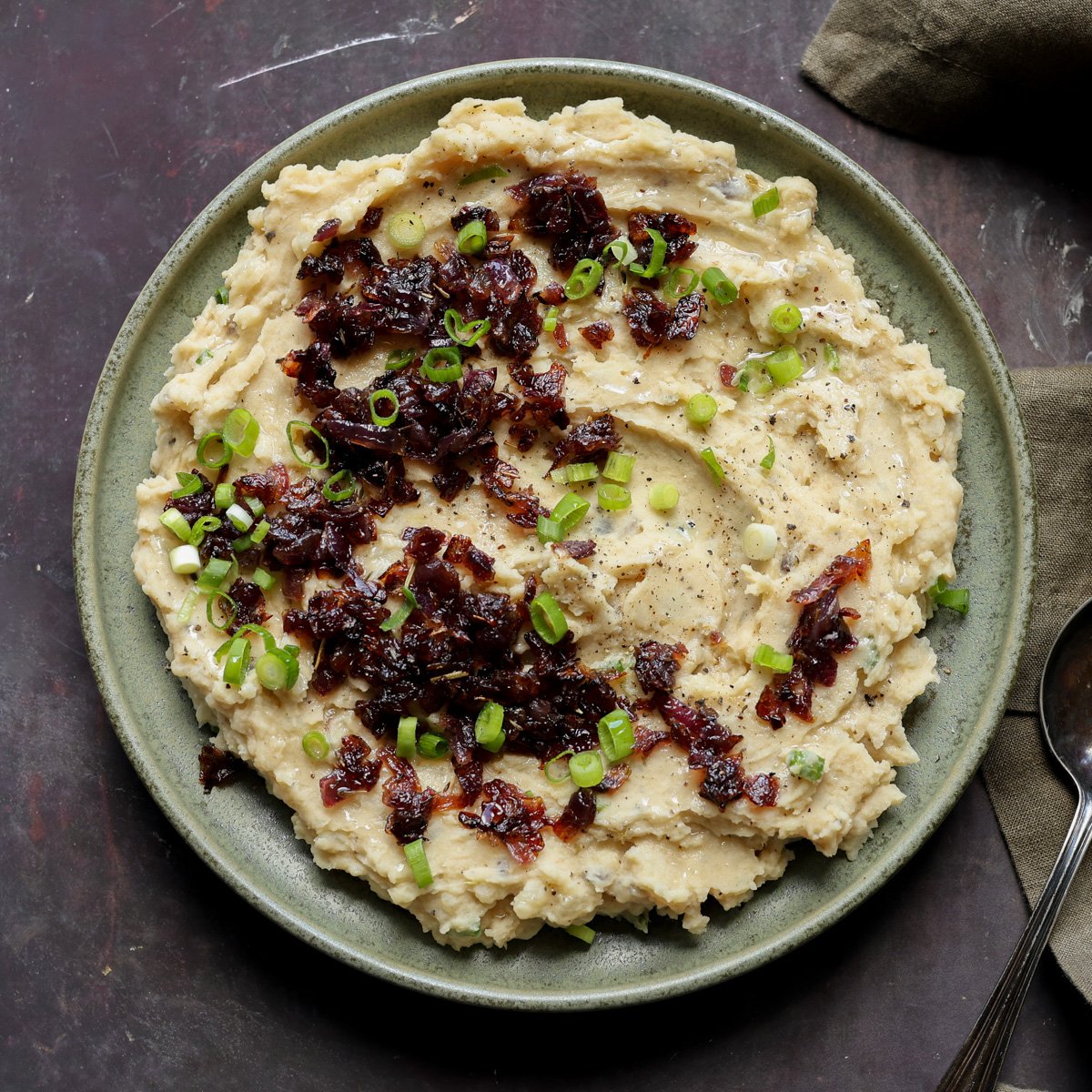
Caramelized Onion Mashed Potatoes
64% flavor match
Non dairy milk and maple syrup are a classic pair; both lean on thyme and olive oil.
 Start with
Fragrant Chicken Soup with Chickpeas and Vegetables
65% flavor match
Both lean on olive oil and onion; celery loves carrot.
 Finish with
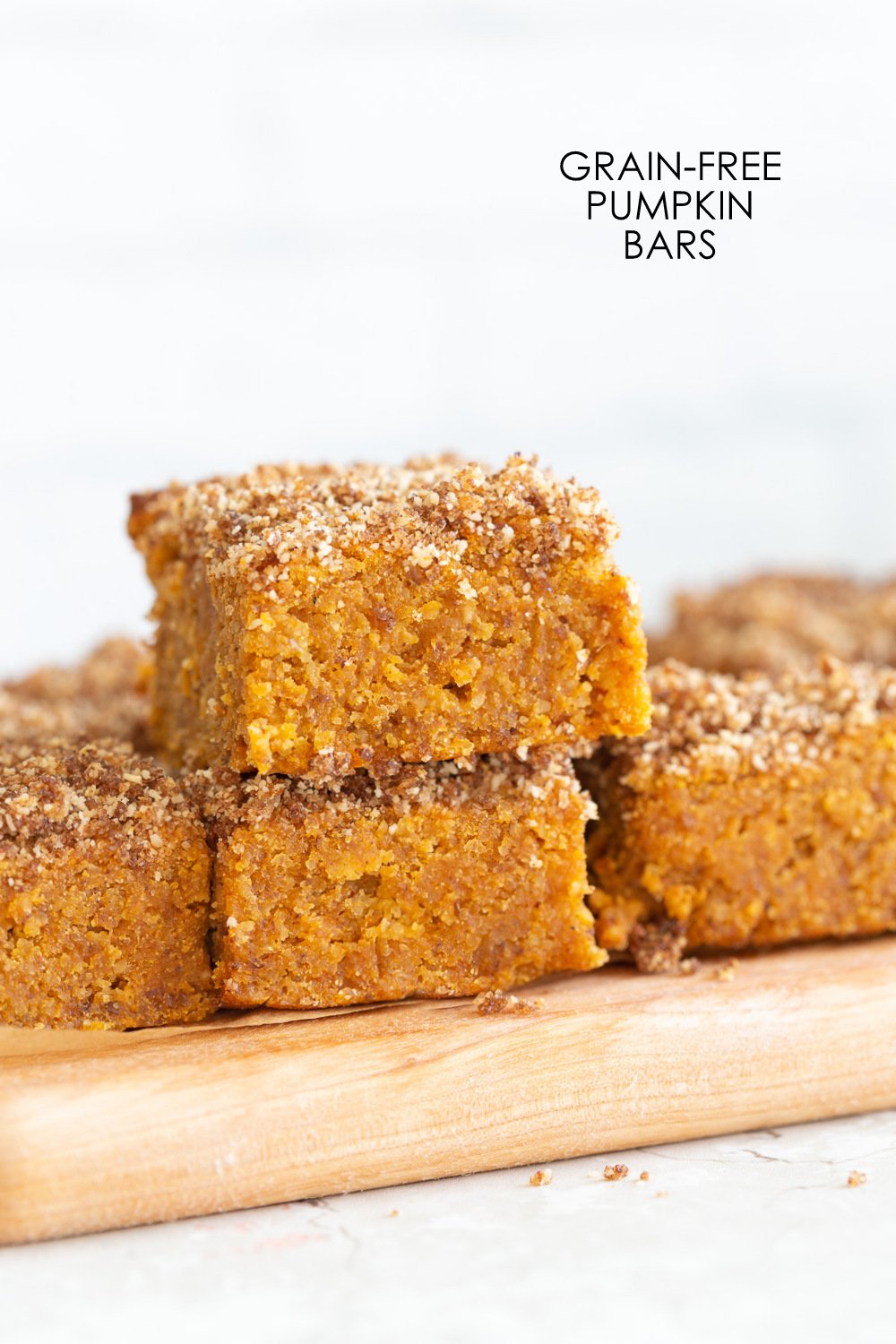
Vegan Gluten-free Pumpkin Bars Grainfree
75% flavor match
The citrus keeps it light after a rich meal; both taste like fall.
 Pour
Spiced Cranberry-Plum Sparkler
74% flavor match
Both taste like fall; the cranberry cuts through a rich meal.
Log in to tell Nana which pairings are good. Your votes improve the map.
More about this recipe
Nutrition
1 of 16 servings · about 667 g Whole recipe · about 10666 g · servings estimated · High confidence
| % DV* | ||
|---|---|---|
| Total Fat | 35.6 g | 46% |
| Saturated Fat | 15.3 g | 76% |
| Trans Fat | 0.039 g | |
| Cholesterol | 68 mg | 23% |
| Sodium | 1170 mg | 51% |
| Total Carbohydrate | 39.9 g | 14% |
| Dietary Fiber | 5.9 g | 21% |
| Total Sugars | 28 g | |
| Protein | 8.4 g | 17% |
| Vitamin D | 0.11 mcg | 1% |
| Calcium | 145 mg | 11% |
| Iron | 2 mg | 11% |
| Potassium | 716 mg | 15% |
* % Daily Value is based on a 2,000-calorie diet.
- Carbs 31%
- Fat 62%
- Protein 7%
Vitamins & minerals
| Vitamin A | 384 mcg | 43% |
|---|---|---|
| Vitamin C | 67.2 mg | 75% |
| Vitamin D | 0.11 mcg | 1% |
| Vitamin E | 2.2 mg | 15% |
| Vitamin K | 139 mcg | 115% |
| Thiamin (B1) | 0.29 mg | 24% |
| Riboflavin (B2) | 0.67 mg | 52% |
| Niacin (B3) | 2.6 mg | 16% |
| Pantothenic acid (B5) | 0.69 mg | 14% |
| Vitamin B6 | 0.43 mg | 25% |
| Folate | 87.9 mcg DFE | 22% |
| Vitamin B12 | 0.22 mcg | 9% |
| Choline | 48 mg | 9% |
| Calcium | 145 mg | 11% |
| Iron | 2 mg | 11% |
| Potassium | 716 mg | 15% |
| Magnesium | 52 mg | 12% |
| Phosphorus | 147 mg | 12% |
| Zinc | 1.5 mg | 14% |
| Copper | 0.13 mg | 15% |
| Manganese | 1.5 mg | 65% |
| Selenium | 7.7 mcg | 14% |
Fats & carbs in detail
| Monounsaturated fat | 14.9 g | |
|---|---|---|
| Polyunsaturated fat | 3.1 g | |
| Omega-3 | 0.2 g | 12% |
| Omega-6 | 2.6 g | 15% |
| Starch | 0.39 g | |
| Net carbs | 34 g | |
| Omega-6 : Omega-3 ratio | 13.1 : 1 |
Amino acids (protein building blocks)
| Histidine | 0.059 g | |
|---|---|---|
| Isoleucine | 0.089 g | |
| Leucine | 0.13 g | |
| Lysine | 0.13 g | |
| Methionine | 0.031 g | |
| Cystine | 0.044 g | |
| Phenylalanine | 0.09 g | |
| Tyrosine | 0.058 g | |
| Threonine | 0.13 g | |
| Tryptophan | 0.031 g | |
| Valine | 0.11 g |
How we calculated this
| Ingredient | Counted as | g | kcal |
|---|---|---|---|
| One 1–1½-lb. pork shank | Not found — couldn't tell how much | ||
| 2 Tbsp. olive oil | Oil, olive, salad or cooking | 27 | 239 |
| 3 garlic cloves, finely chopped | Spices, cloves, ground | 0 | 1 |
| 2 fresh thyme sprigs | Thyme, fresh | 2 | 2 |
| 2 fresh bay leaves | Spices, bay leaf | 1 | 3 |
| 1 large carrot, peeled and thinly sliced | Carrots, raw | 72 | 30 |
| 1 medium white onion, finely chopped | Onions, raw | 110 | 44 |
| ¼ cup maple whiskey or regular whiskey | Alcoholic beverage, distilled, all (gin, rum, vodka, whiskey) 80 proof | 56 | 128 |
| 1 cup dry white wine | Alcoholic beverage, wine, table, red | 235 | 200 |
| 1 quart pork or chicken stock | Soup, chicken broth, ready-to-serve | 996 | 60 |
| ½ cup maple syrup | Syrups, maple | 158 | 410 |
| Kosher salt and freshly ground black pepper | Not counted — no amount (to taste / garnish) | ||
| Kosher salt and freshly ground black pepper | Not counted — no amount (to taste / garnish) | ||
| 1 medium green cabbage, thinly sliced | Cabbage, raw | 900 | 225 |
| 5 oz. thick-cut bacon, cut into 1- by ½-in. pieces | Pork, cured, bacon, unprepared | 142 | 557 |
| 8 Tbsp. unsalted butter, divided | Butter, without salt | 114 | 814 |
| 1 Tbsp. olive oil | Oil, olive, salad or cooking | 14 | 119 |
| 3 garlic cloves, thinly sliced | Spices, cloves, ground | 0 | 1 |
| 2 fresh bay leaves | Spices, bay leaf | 1 | 3 |
| 1 large carrot, peeled and thinly sliced | Carrots, raw | 72 | 30 |
| 1 medium white onion, finely chopped | Onions, raw | 110 | 44 |
| 1 cup dry white wine | Alcoholic beverage, wine, table, red | 235 | 200 |
| 1¼ cups vegetable stock | Soup, chicken broth, ready-to-serve | 311 | 19 |
Matched to the USDA FoodData Central database (SR Legacy). Amounts are converted with USDA portion weights where they exist, otherwise typical sizes. Open in the analyzer to adjust a match →
Estimated from the ingredient list — brands, exact sizes and cooking losses vary. Not medical advice.
Allergens
-
Alcohol
In: ¼ cup maple whiskey or regular whiskey; 1 cup dry white wine; 1 cup dry white wine; ¼ cup maple whiskey or regular whiskey; 1 cup dry white wine; 1 cup dry white wine; ¼ cup maple whiskey or regular whiskey; 1 cup dry white wine; 1 cup dry white wine
Not a true allergy, but listed for people who must avoid it.
-
Black & white pepper
In: Kosher salt and freshly ground black pepper; Kosher salt and freshly ground black pepper; Kosher salt and freshly ground black pepper; Kosher salt and freshly ground black pepper; Kosher salt and freshly ground black pepper; Kosher salt and freshly ground black pepper
-
Carrot
In: 1 large carrot, peeled and thinly sliced; 1 large carrot, peeled and thinly sliced; 1 large carrot, peeled and thinly sliced; 1 large carrot, peeled and thinly sliced; 1 large carrot, peeled and thinly sliced; 1 large carrot, peeled and thinly sliced
-
Poultry meat › Chicken
In: 1 quart pork or chicken stock; 1 quart pork or chicken stock; 1 quart pork or chicken stock
Chicken, turkey, duck and goose meat (separate from egg allergy).
-
Onion & garlic family › Garlic
In: 3 garlic cloves, finely chopped; 3 garlic cloves, thinly sliced; 3 garlic cloves, finely chopped; 3 garlic cloves, thinly sliced; 3 garlic cloves, finely chopped; 3 garlic cloves, thinly sliced
Onions, shallots, garlic, leeks, scallions and chives, including powders.
-
Milk / dairy
In: 8 Tbsp. unsalted butter, divided; 8 Tbsp. unsalted butter, divided; 8 Tbsp. unsalted butter, divided
Cow's milk and anything made from it: butter, cream, cheese, yogurt, whey, casein, ghee.
-
Onion & garlic family › Onion & shallot
In: 1 medium white onion, finely chopped; 1 medium white onion, finely chopped; 1 medium white onion, finely chopped; 1 medium white onion, finely chopped; 1 medium white onion, finely chopped; 1 medium white onion, finely chopped
Onions, shallots, garlic, leeks, scallions and chives, including powders.
-
Red meat (alpha-gal) › Pork
In: One 1–1½-lb. pork shank; 1 quart pork or chicken stock; 5 oz. thick-cut bacon, cut into 1- by ½-in. pieces; One 1–1½-lb. pork shank; 1 quart pork or chicken stock; 5 oz. thick-cut bacon, cut into 1- by ½-in. pieces; One 1–1½-lb. pork shank; 1 quart pork or chicken stock; 5 oz. thick-cut bacon, cut into 1- by ½-in. pieces
Mammalian meat and by-products. Alpha-gal syndrome, often from a tick bite, causes delayed reactions to beef, pork, lamb and gelatin; some people also react to dairy.
-
Sulfites
In: 1 cup dry white wine; 1 cup dry white wine; 1 cup dry white wine; 1 cup dry white wine; 1 cup dry white wine; 1 cup dry white wine
Sulfites are preservatives found in wine, wine and balsamic vinegar, dried fruit and pickled foods.
Found by reading the ingredient names. Brands and "may contain" warnings vary, so always check the label.
Questions about this recipe
- Can I make this ahead of time?
- The pork shank can be braised in advance and reheated in its juices, but the buttered cabbage is best prepared fresh to maintain its texture.
- How do I store leftovers?
- Store the pork and cabbage in separate airtight containers in the refrigerator for up to 3 days; reheat the pork in the oven or microwave with a splash of stock.
- What can I use instead of maple whiskey?
- You can substitute it with regular whiskey or a high-quality bourbon, adding a small extra drizzle of maple syrup to the sauce if desired.
- How do I know the pork shank is fully cooked?
- The meat should be glazed and glossy on the outside and break apart easily with a fork when pierced.
- What should I serve with this meal?
- Since it already includes a vegetable, it pairs well with crusty sourdough bread or steamed potatoes to soak up the braising juices.
My notes
Log in to keep private notes on recipes.
Learn while you cook
Learn library →- Techniques · 6 min read Braising Brown tough, well-marbled meat, half-submerge it in flavorful liquid, cover, and cook low (300–325°F) until a fork slid…
- Why It Works · 5 min read Why We Rest Meat & Dough Meat keeps cooking after it leaves the heat, so pull it early and let it rest; dough rests so gluten relaxes and flour …
- Ingredient Deep-Dives · 7 min read Fresh Herbs Tender herbs go in at the end and live in a jar of water; woody herbs go in early and live in a damp towel. Use 1 part …
Words in this recipe
- Score
- To cut shallow slashes in bread dough, meat or fish, controlling how bread expands or helping fat render and marinades penetrate.
- Flambé
- To ignite alcohol in a pan to burn off some of it and add a caramelized note. Pull the pan off the heat before adding the alcohol.
- Simmer
- Liquid just below a boil, about 185 to 205°F, with small bubbles rising gently.
- Reduce
- To simmer a liquid so water evaporates, concentrating flavor and thickening it. Learn more
Handy for this recipe Safe Cooking TemperaturesSubstitution Finder


